
Women’s Hormone Care • Board-Certified Internal Medicine

Comprehensive evaluation and individualized care for women experiencing symptoms during the menopause transition. David Nazarian, M.D., Board Certified in Internal Medicine, evaluates the whole patient—not only hormone levels—to determine whether menopausal hormone therapy, nonhormonal treatment, local therapy, lifestyle measures, nutrition or supplementation, or another medical approach may be appropriate. His multidisciplinary approach also considers bone health, cardiovascular and metabolic risk, sleep, cognitive concerns, sexual and genitourinary symptoms, medications and other conditions that can overlap with menopause.
Read more about hot flash triggers, vaginal dryness during menopause, vaginal symptoms and yeast-infection questions, and menopause and bone health.
Related symptom resources: hormone deficiency symptoms in women, osteoporosis in women, bone loss, and vaginal dryness.
Perimenopause is the transition leading up to menopause. Hormone levels and menstrual patterns may fluctuate, and symptoms can begin even when periods are still occurring. The duration and experience vary considerably from one woman to another.
Natural menopause is identified after 12 consecutive months without a menstrual period when another cause is not responsible. Menopause can also occur after surgery or certain medical treatments.
Symptoms, health risks, and treatment priorities may differ during perimenopause, at the time of menopause, and in the years afterward. A personalized assessment helps distinguish the stage of transition and evaluate other possible explanations.
Hot flashes, night sweats, disrupted sleep, and fatigue.
Mood changes, irritability, anxiety, difficulty concentrating, or perceived brain fog.
Vaginal dryness, discomfort with intercourse, urinary symptoms, or changes in sexual interest.
Changes in menstrual patterns, body composition, joint symptoms, skin or hair, and bone-health concerns.
These symptoms are not specific to menopause. Thyroid disorders, anemia, sleep disorders, medication effects, mood conditions, metabolic problems, nutritional deficiencies, and other medical concerns can produce overlapping symptoms.
Symptoms, menstrual history, pregnancy and gynecologic history, prior treatments, medications, sleep, lifestyle, family history, and personal goals.
Cardiovascular risk, blood pressure, breast and gynecologic history, blood-clot history, liver health, bone health, cancer risk, and age-appropriate screening.
Testing is chosen according to the clinical question. Not every woman needs the same hormone panel, and normal fluctuation can limit the usefulness of a single measurement.

Treatment depends on the symptom being addressed, the stage of menopause, whether the uterus is present, medical history, personal risk factors, preferences, and the expected balance of benefits and risks.
Systemic estrogen may be considered for appropriate patients with bothersome vasomotor symptoms. A progestogen is generally needed to protect the endometrium when systemic estrogen is used in a woman with a uterus.
Low-dose vaginal treatment may be considered for genitourinary symptoms such as vaginal dryness, discomfort, or selected urinary concerns. Its indications and risk considerations differ from systemic therapy.
Prescription nonhormonal medications, vaginal moisturizers and lubricants, sleep treatment, behavioral approaches, and management of contributing medical conditions may be appropriate.
Older versions of this page included useful detail on antidepressant-class medications used for vasomotor symptoms, gabapentin, clonidine, cooling strategies, regular exercise, sleep habits, plant-based products and acupuncture. These options do not all have the same level of evidence, and treatment should be matched to the symptom, medical history and patient preference. This material is now being organized into focused hot-flash and menopause-support resources rather than repeated across the menopause pillar.
Exercise, nutrition, resistance training, sleep, tobacco avoidance, alcohol moderation, bone-health strategies, and recommended screening remain important whether or not hormone therapy is used.
For appropriately selected patients, menopausal hormone therapy can be effective for vasomotor symptoms and may help with certain menopause-related concerns. It is not a universal treatment for every symptom, does not prevent normal aging, and should not be presented as a guaranteed solution for weight, energy, mood, cognition, sexual function, or overall wellness.
The lowest effective dose, appropriate route, treatment goals, and duration should be revisited over time rather than assumed to be permanent.
A more detailed risk assessment or specialist coordination may be needed with unexplained vaginal bleeding, a history of certain hormone-sensitive cancers, blood clots, stroke, heart attack, significant liver disease, or other complex medical conditions.
This does not replace individualized medical advice. Risk varies by patient and by the type, dose, route, and timing of treatment.
Many FDA-approved hormone products use estradiol or micronized progesterone that are chemically identical to hormones produced in the body. Compounded preparations may be considered in selected circumstances, such as a documented need for a dosage form or ingredient combination that is not commercially available.
The word bioidentical does not by itself mean that a therapy is natural, safer, or more effective. Product quality, dosing consistency, evidence, indication, and monitoring matter more than marketing terminology.
Follow-up may include review of symptom response, side effects, blood pressure, medication adherence, changes in medical history, appropriate screening, and selected laboratory testing. Treatment may be adjusted, changed, or discontinued when benefits are limited or risks change.
Unexpected bleeding, new breast symptoms, chest pain, sudden shortness of breath, neurologic symptoms, or other concerning changes require timely medical assessment.
Board-Certified in Internal Medicine
Dr. Nazarian approaches menopause care within the broader context of cardiovascular, metabolic, sleep, thyroid, medication, and preventive health considerations.
Discuss symptoms, menstrual history, medical background, prior treatment, concerns, and goals.
Review health risks, screening history, medications, and other possible causes of symptoms.
Compare hormone and nonhormonal options, expected benefits, limitations, and risks.
Monitor response and safety, revisit goals, and adjust the plan when clinically appropriate.
Written by: David Nazarian, M.D.
Medically reviewed by: David Nazarian, M.D.
Medical review date: September 17, 2026
David Nazarian, M.D., is Board-Certified in Internal Medicine and has extensive experience evaluating and treating women and men with hormonal concerns. His approach emphasizes comprehensive assessment, evidence-informed decision-making, patient education, individualized treatment, safety, and ongoing follow-up.
Symptoms often begin before the final menstrual period. Our new Perimenopause Treatment in Los Angeles page explains cycle changes, hot flashes, sleep and mood symptoms, evaluation, and treatment options during the menopause transition.
Our Beverly Hills office serves patients from across greater Los Angeles seeking individualized menopause and women’s hormone care.
Commonly served areas include: Beverly Hills, West Hollywood, Century City, Brentwood, Santa Monica, West Los Angeles, Bel Air, Culver City, Hollywood, and Pacific Palisades.
Discuss your symptoms, medical history, treatment preferences, and whether hormonal or nonhormonal therapy may be appropriate for you.
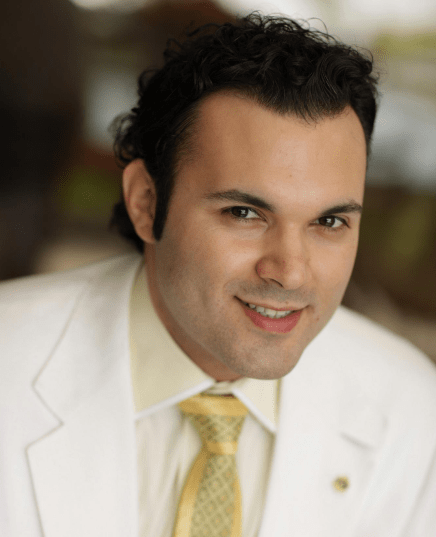
David Nazarian, M.D., is Board-Certified in Internal Medicine by the American Board of Internal Medicine and has completed advanced bioidentical hormone replacement therapy training through WorldLink Medical. He provides physician-led hormone evaluation and individualized care for women and men, with an emphasis on comprehensive assessment, patient education, safety, and ongoing follow-up.

Hormone Replacement Therapy LA provides physician-led hormone evaluation and individualized care in Beverly Hills and Los Angeles with David Nazarian, M.D.
Copyright ©2026 Hormone Replacement Therapy LA. All rights reserved.